
15+ clinics a year across NC, SC, TN, VA, AL and CA
Horsemanship Built on Relationship.
Clinics for everyone who works with horses: everyday owners, riders, professionals and trainers, in every discipline. Learn to understand your horse, communicate clearly, and leave the confusion behind.
“Don’t be a warmaker. Don’t be a peacekeeper. Be a peacemaker.” Robbie Potter
Clinics
No clinics match that search yet. Try another month or state, or tell us where you ride and we will let you know when a clinic is scheduled near you.
Is your horse doing this?
“The problem you are seeing may not be the problem you are having.”
Robbie Potter
Robbie teaches that most of what we see in our horses comes back to the relationship. Pick what you are seeing to find out what it may be, a few tips to try, and which clinics can help.
Pushy, crowding you, or pulling you
It may be a relationship issue, not a bad horse. Respect and trust are the two parts of the relationship, and the horse tells you which one to work on first.
Tips to try
- Hold Robbie's three laws every time: don't push on me, don't pull on me, and follow my intent. Not sometimes, and not depending on your mood. That consistency gives him clarity.
- Decide what you want before you ask, then carry it through.
- Ask yourself whether this moment is about respect or trust. The horse will show you which one to work on.
- Think more like his mother than a herd boss. He wants a balance of trust and respect in everything.
- Build the respect first. Without it, he will not trust you to keep him safe.
Spooky, or taking off on the trail
It may be that the relationship is not there yet. A horse that is not bothered right now is not necessarily safe. He is safe when he gets bothered and looks to you, and that comes from the relationship.
Tips to try
- Build the relationship so he looks to you when he gets bothered.
- Learn to handle him when he is bothered, or just before, so he can count on you.
- Practice your rein management so you are ready for an emergency.
- Be careful with a false sense of security. Avoiding what bothers him does not build a safer horse.
- Use obstacles as a tool to communicate more clearly, so he understands what you are asking and feels confident saying yes.
Recommended clinics
Anxious, or you feel anxious riding
It may be that he is not sure where you are taking him. The relationship is what gives him something to count on. Short, clear trips strung together build it, and his confidence along with it.
Tips to try
- Build the relationship one short trip at a time.
- Have a plan for exactly what you want him to do, so he always knows where you are going.
- Keep communicating. A horse that knows where you are headed has less to worry about.
- Take a breath. Your own tension travels straight to him.
- Practice one simple exercise until it feels easy for both of you before you add more.
Great one day, a different horse the next
It may be gray areas. As Robbie says, there is only black and white, not right and wrong. Gray creates confusion for the horse, and confusion gets in the way of the relationship.
Tips to try
- Ask the same way every time, so the answer can be the same every time.
- Think black and white. Gray creates confusion for the horse.
- Know where you want him, put him there, then leave him alone so he can just be.
- Remember that everything means everything to a horse. Notice what you are saying without meaning to.
- Do not repeat the same cue a little louder. He reads timing, pressure, body position, and feel, so check that what you mean and what you show him match.
Recommended clinics
Hard to move his feet or keep him balanced
It may be that you cannot yet see where his weight is. Before a horse can lift or move a foot, his weight has to be set to do it. Learning to feel that is part of the relationship.
Tips to try
- Before you ask for a foot, notice which foot is carrying the most weight.
- Look for the foot that is ready to move, and know which foot or feet need to move.
- Set his weight first, then ask. Do not try to move a foot that is loaded.
- Watch for small changes in his weight, not only the foot that moves.
- Practice on the ground first, with a halter and lead, before you ask the same thing under saddle.
Recommended clinics
Won't load, or rushes off the trailer
It may be straightness, balance, or forward motion. Loading asks for all three, and you can work on each one on its own, just not at the same time.
Tips to try
- Pick one to work on at a time: straightness, balance, or forward motion. Do not work on them all at once.
- Straightness: can he walk straight at the trailer without you pulling him crooked?
- Balance: notice which foot is carrying his weight, and set his weight before you ask him to step.
- Forward motion: follow my intent. Ask him forward and do not pull on him.
- Work on each one away from the trailer first, and ask the same way every time so he can count on you.
Recommended clinics
Barn sour, gate sour, or does not want to leave the others
It may be that the relationship is not there yet. A horse who would rather be at the barn has no reason yet to look to you. Build the relationship first and see if it clears up.
Tips to try
- Work on respect and trust first. The horse will show you which one to work on, and you will switch between them.
- Think more like his mother than a herd boss. He wants a balance of trust and respect in everything.
- Hold Robbie's three laws every time: don't push on me, don't pull on me, and follow my intent.
- Know where you want him, put him there, then leave him alone so he can just be.
- Keep communicating and string short trips together, so he learns he can count on you away from the barn.
Recommended clinics
You lost your confidence after a fall or a scare
It may be that confidence comes from the relationship and from knowing what you will do. When he looks to you to keep him safe, you have less to be afraid of.
Tips to try
- Have a practiced plan for falling off, so a surprise does not catch you with nothing.
- Practice your rein management so you are ready for an emergency.
- Start with something simple you can do well, and build from there.
- Learn what he does right before he gets bothered. Awareness of everything means everything to the horse.
- Remember he is safe when he gets bothered and looks to you. That is what you are building.
Wrong leads, or rough transitions
It may be timing. As Ray Hunt said, prepare to position for the transition. If the horse is on the wrong lead before you ask, he is already set up to miss it.
Tips to try
- Get him positioned before you ask. If he is set up wrong, he pays for the rider's mistake.
- Count the beat of the gait you are in, then the gait you want. Walk is four, trot is two, canter is three.
- Know which foot is weighted and which is ready to move before you ask him to change.
- Ask by feel first and give him a chance to answer before you get louder.
- Ask the same way every time so he can count on it.
Recommended clinics
A dull horse, or one who goes through the motions
It may be a horse who has been suppressed. A good relationship does not take his power away. It gives him a reason to keep it under control with you.
Tips to try
- Look for a horse who is flat and does not offer much try, goes through the motions without being with you, or is quiet and then blows up.
- Do not try to take the power away from him. The power was never gone, it was held down.
- Build the relationship so he is attentive and tuned in to you, not dull and not shut down.
- Get him light so he is ready to go the moment you ask.
- Do not nag. Ask for a little try, give him the chance to answer, and leave him alone when he does.
Hesitant or sticky at obstacles, or ready for more precision
It may be that the obstacle is showing you where your communication can be clearer. When the relationship is right, obstacles get easy.
Tips to try
- Use obstacles as a tool, not something to conquer.
- Help him understand what you are asking so he feels confident saying yes.
- Start with the groundwork, then the obstacle in the arena, then take it out and use it.
- Work on your timing and feel before you add precision.
- Once your walk and trot basics are in place, refine them with patterns.
Hard to lead or handle, especially a young horse
It may be that he has not been shown yet what it means to push or pull on you. A young horse is a chance to start the relationship right, with Robbie's three laws.
Tips to try
- Teach the three laws one at a time: don't push on me, don't pull on me, follow my intent.
- Give him one clear job, and leave him alone when he gets it.
- Keep sessions simple and consistent so he can count on you.
- Know where you want him, put him there, then let him just be.
- Keep sessions short and end on something he got right.
Recommended clinics
Not sure which one fits? Use the clinic finder and we will show you what is coming up.
Robbie Potter on the Horse & Human Podcast
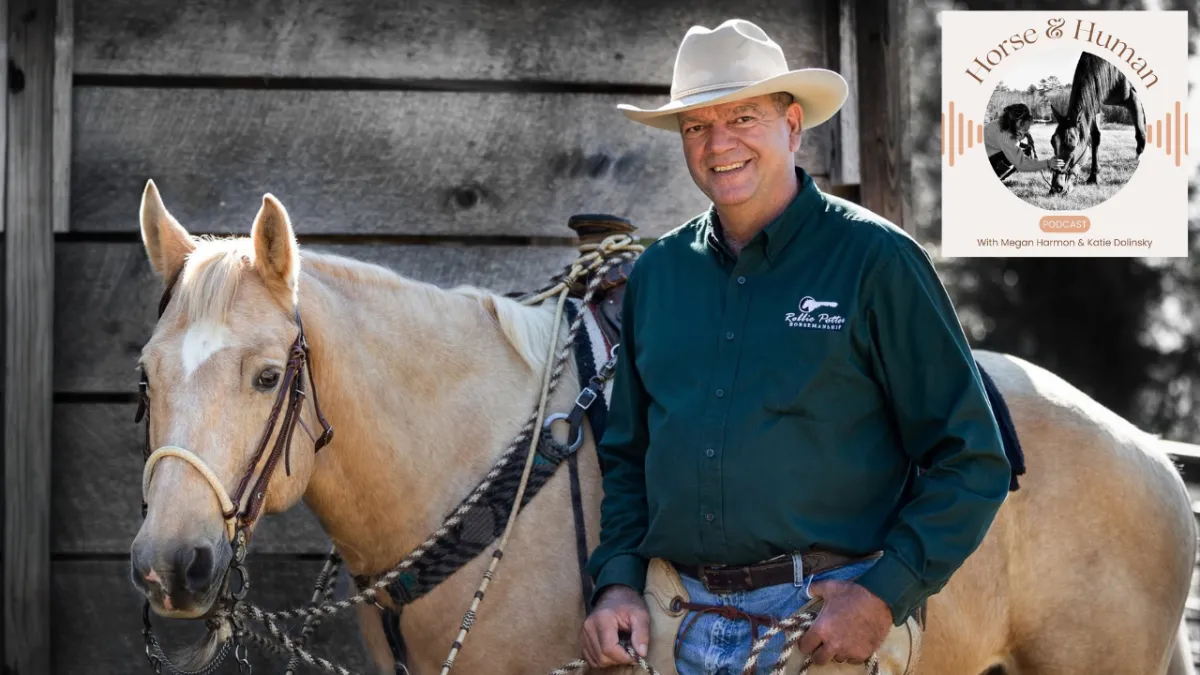
Robbie recently joined the Horse & Human Podcast to discuss horsemanship, communication, relationship-building, and the principles that guide his work with horses and riders.
Choose your preferred listening platform below:



The RPH Mission
To help humans change so they can learn to effectively communicate with horses in a way that eliminates confusion and provides clarity for both.
Explore clinics, private sessions, and small group sessions - all designed to help you and your horse learn and grow together.
What Riders Are Saying
The best measure of Robbie’s work is the connection his students build with their horses. Here’s what a few of them had to say after working with Robbie.
I have been riding in clinics with Robbie for about 5 years now. I was a fairly new rider when I began attending. Each and every clinic has taught me more about myself and my horse than I thought was possible. The connection that it takes to get your horse to respond in a positive way without pushing and pulling is emphasized all the time and Robbie's methods are clear and concise! He will always make sure you understand and develop the "feel" before he moves on to something more difficult. Robbie has given me the confidence I needed to enjoy my horse and want to improve! I can't thank him enough!
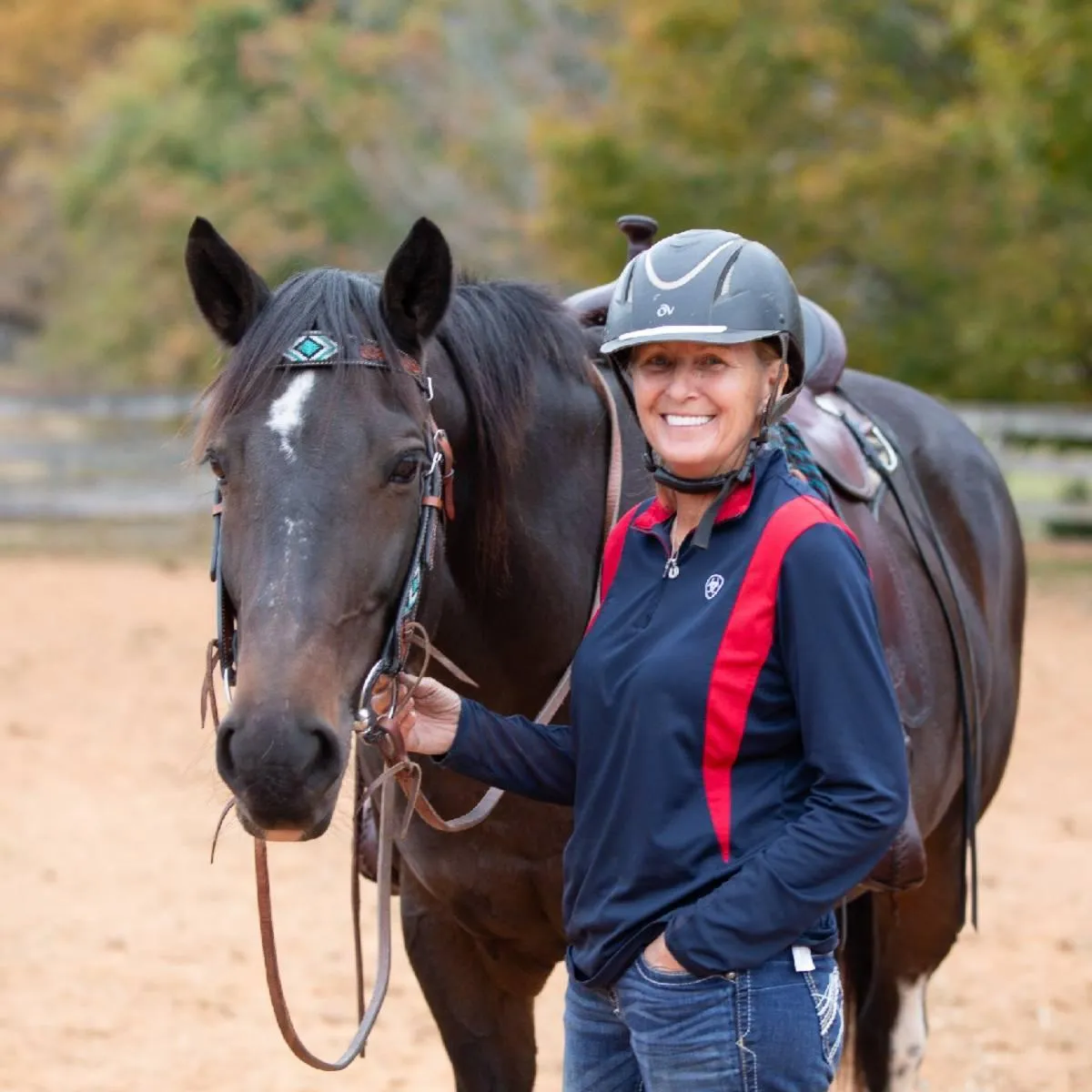
Carol Carr

Through Robbie's clinics, his methods, and the encouragement he gives, my confidence is the best it's been in a long while. I feel I can handle myself in situations that scared me before. Now, I'm more of an 'I can' rider/handler instead of an 'I can't' one. Even if I don't get it right the first time, I try. This particular clinic at BEP, was a huge triumph for me, as well as my horse Kota. We're back & even better! Thank you.
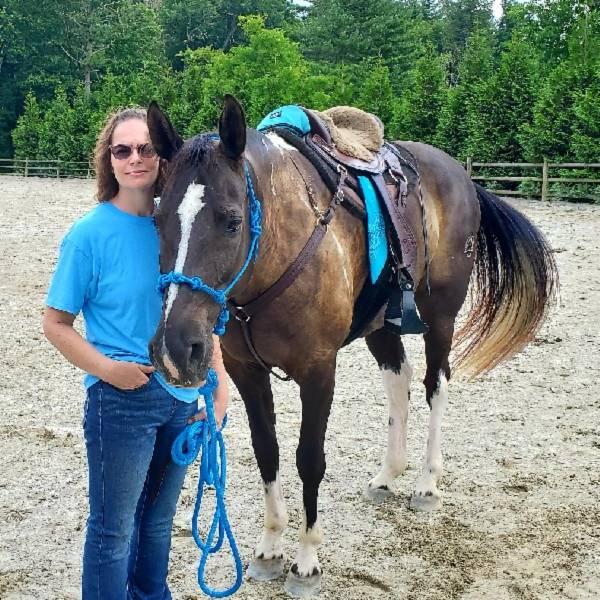
Cyndi Brackett
If you are considering doing a clinic with Robbie, just register right now. I have learned so much. I’ve been riding for years, but I’ve never been a confident rider. I always felt like people were talking over my head and I just couldn’t understand. Robbie explains things on my level. He simplifies it and I get it. For the first time, I am becoming a confident rider. I feel like I am gaining the tools needed to be successful. I have already signed up for future clinics and I can’t wait to see where I’ll be this time next year. Thank you Robbie!
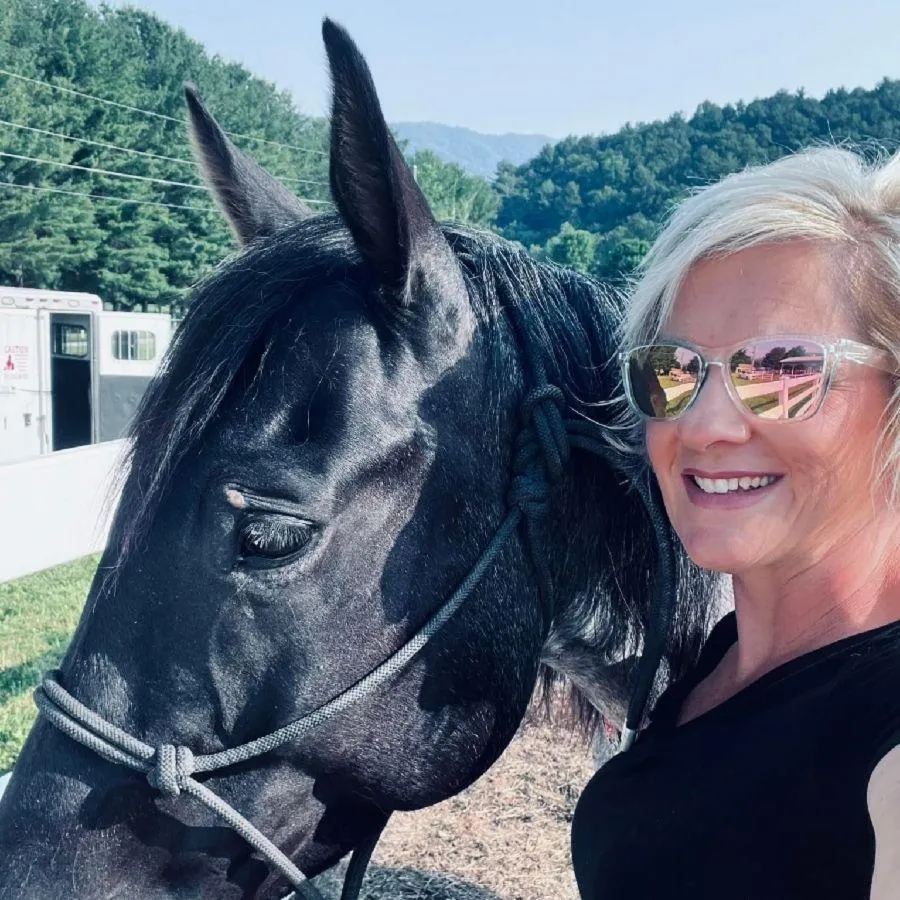
Misty McDavid

Connection
Trust. Understanding. Relationship.

Clarity
Purpose. Precision. Partnership.

Mindfulness
Awareness. Patience. Presence.
Follow RPH on Social Media
Stay Connected with RPH
Join our email list to get the exclusive RPH Monthly E-Newsletter, upcoming clinic announcements, educational resources, & more!
About
Services
Contact
Copyright 2026. Robbie Potter Horsemanship. All Rights Reserved.
Facebook
Instagram
Youtube
TikTok